Menu
Alerts
- Ayur Chamber of Commerce launched on 23.09.2025
Advisory Committee
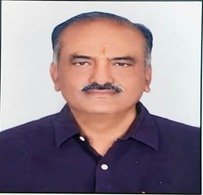
Prof. (Vaidya) Rakesh Sharma
This Committee is Headed by Prof. (Vaidya) Rakesh Sharma
The IRA Chamber of Ayurveda, recently launched as a pioneer initiative (notably in Punjab in late 2024/2025), is designed to bridge the gap between traditional knowledge and modern industrial standards.
The Advisory Committee serves as the “brain trust” of this ecosystem. Its primary role is to provide high-level strategic guidance to ensure that the three pillars—Industry, Research, and Academia—move in sync toward global acceptance.
- Strategic Role & Functions
The Advisory Committee acts as a non-executive body that counsels the Board of Directors or the Chamber’s leadership. Their key responsibilities include:
- Evidence-Based Validation: Guiding researchers on how to validate ancient Ayurvedic texts using modern scientific parameters (clinical trials, safety/toxicity data) to meet international regulatory standards.
- Policy Advocacy: Advising the government and stakeholders on creating a favorable regulatory environment for Ayurvedic manufacturing and practice.
- Quality Standardization: Assisting the industry in adopting Good Manufacturing Practices (GMP) and high-quality benchmarks to ensure Ayurvedic products are export-ready.
- Curriculum Alignment: Advising academic institutions on updating their curricula so that new graduates are equipped with both traditional wisdom and contemporary industry skills.
- Composition of the Advisory Committee
Members are typically invited based on their deep domain expertise. The committee usually includes:
- Academic Leaders: Vice-Chancellors or Professors from reputed Ayurvedic universities.
- Industry Experts: Seasoned manufacturers or entrepreneurs from the AYUSH sector.
- Scientists: Researchers specializing in pharmacology, phytochemistry, or clinical trials.
- Legal & Regulatory Experts: To navigate intellectual property (IPR) and international drug approval processes.
- Impact on the Ecosystem
By acting as a mediator, the committee ensures that:
- Innovation is practical: Research isn’t just academic; it solves industry problems (e.g., shelf-life, taste-masking).
- Standards are measurable: It shifts Ayurveda from “subjective tradition” to “measurable science.”
- Global Footprint: It helps the Chamber position Ayurveda as a legitimate, holistic healthcare alternative worldwide.