- Ayur Chamber of Commerce launched on 23.09.2025
Committee on Food and Dietics
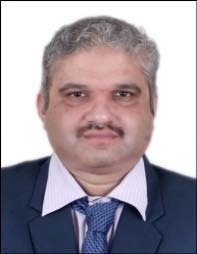
(Professor and Dean, Faculty of Ayurveda & Yoga)
The IRA Chamber of Ayurveda (Industry-Research-Academia) is a specialized collaborative platform designed to bridge the gap between Ayurvedic traditional knowledge, industrial manufacturing, and academic research.1 Within this framework, the Food & Dietetics Committee plays a pivotal role in modernizing and regulating “Ayurveda Ahara” (Ayurvedic food products and dietary practices).
The committee’s primary role is to ensure that the ancient principles of Pathya (wholesome) and Apathya (unwholesome) are integrated into contemporary food standards and lifestyle management.
1. Standardization & Regulatory Compliance
The committee acts as a liaison between the Ayurvedic industry and regulatory bodies like FSSAI (Food Safety and Standards Authority of India).
Defining “Ayurveda Ahara”: Helping formulate standards for what constitutes an Ayurvedic food product.
Labeling Guidelines: Ensuring that health claims on Ayurvedic food products are scientifically backed and follow the Drugs and Magic Remedies Act and FSSAI regulations.
Quality Control: Establishing protocols for the processing of traditional recipes (like Lehyas, Churanas, or functional beverages) to maintain nutritional integrity.
2. Research & Evidence-Based Dietetics
Bridging the “Research” and “Academia” aspects of the Chamber, this committee focuses on:
Nutrigenomics: Exploring how Ayurvedic diets interact with an individual’s genetic makeup (Prakriti).
Clinical Validation: Facilitating trials to prove the efficacy of specific Ayurvedic diets in managing lifestyle disorders like obesity, diabetes, and hypertension.
Modern Ingredient Analysis: Evaluating the biochemical properties of traditional ingredients to fit modern nutritional profiles (macro and micronutrients).
3. Industry-Academia Integration
The committee ensures that what is taught in universities is applicable in the market:
Curriculum Development: Advising academic institutions on updating dietetics courses to include food technology and industrial processing.
Product Innovation: Helping industries develop “Ready-to-Eat” or “Ready-to-Serve” Ayurvedic meals that adhere to traditional rules of Sanskara (processing methods) and Samyoga (combinations).
4. Public Health & Promotion
A core function is the propagation of the “Eat Right” philosophy through an Ayurvedic lens:
Preventive Healthcare: Developing dietary charts based on seasons (Ritucharya) and daily routines (Dinacharya) for the general public.
Therapeutic Nutrition: Providing guidelines for hospital-based Ayurvedic dietetics, ensuring patients receive food that complements their medical treatment.
Core Pillars of the Committee’s Work
| Pillar | Focus Area |
| Pathya-Apathya | Determining suitability of food based on disease and constitution. |
| Ahara Vidhi | Guidelines on how to eat (temperature, speed, and environment). |
| Functional Foods | Developing “Nutraceuticals” that provide medical benefits beyond basic nutrition. |
| Safety | Monitoring heavy metal limits and pesticide residues in food-grade herbs. |